Threads from Henry's Web

Tag: story

  • Psalm 78:5-7 – Generations

    Psalm 78:5-7 – Generations

    5 He established a decree in Jacob,
    and appointed a law in Israel,
    which he commanded our ancestors
    to teach their children;
    6 that the next generation might know them,
    the children yet unborn,
    and rise up and tell them to their children,
    7 so that they should set their hope in God,
    and not forget the works of God,
    but keep his commandments.

    Psalm 78:5-7 (NRSV)

    Jody has given me verses this week that relate to fatherhood. I’m not sure I’m up to the task of presenting a picture of good fatherhood, but I’m going to try.

    I’m not starting with one of the verses she provided, however. I won’t tell you what the final “verse,” better described as a task is, but I’m going to schedule that one to publish on Sunday morning. Today I want to introduce this series with a thought from my Sunday School class yesterday.

    We’re looking at what I call landmarks for Bible study, and the landmark today is the call of Abraham. The call of Abraham provides some interesting thoughts. In working with these landmarks, I point back to the one before, in this case the flood, and forward to the next, the exodus from Egypt. This provides us with parallels, similarities and differences, that help us understand the overall story.

    We sometimes take Bible stories in isolation. This come naturally, because we have an hour for Sunday School (or less), and each story can take up that much time and more. But there are patterns in the broader layout of scripture. In fact, it’s good to look at Bible books in the context in the canon, because the Bible as a collection is what we hold as the standard.

    Now here’s the pattern we observed. We have a perfect creation, and then the fall. Genesis 5 presents 10 generations, and then Genesis 6 tells us that everyone’s thoughts were only evil continually. Noah was found righteous, and chosen for salvation on the ark.

    Following this story we have 10 generations again in Genesis 11, and then in Genesis 12 we have Abram called. God doesn’t make any claims about how righteous Abram is. He just calls him, and Abram goes. But Joshua, in his farewell speech (Joshua 24:2) tells the Israelites that their ancestors, including Abram (or Abraham–Joshua uses the new name God gave him) “worshiped other gods.”

    What does this show us?

    First, please don’t spend time on debating the chronology. Let the story speak. Ten generations lead to a point where knowledge of the true God has almost disappeared.

    It’s worthwhile to consider the difference in God’s response in these two cases, Genesis 6 and Genesis 12. But what interests me here is the way the two genealogies emphasize the loss of the knowledge. This should have been transferred through the patriarchal line, father to son. This was the plan to maintain knowledge of God.

    It didn’t work.

    We observe this throughout the Bible story. The High Priest Eli’s sons were not like him, but were evil, and their father failed to change this (1 Samuel 2). Following this, even though Samuel himself had received a word from God (1 Samuel 3) regarding the situation, Samuel’s own sons did not follow in their father’s steps, but “took bribes and perverted justice” (1 Samuel 8:3).

    The pattern continues in the Kings of Judah. Israel has a fairly steady decline morally. Judah, on the other hand has good kings followed by bad kings. Manasseh, possibly the worst king of Judah, was the son of Hezekiah, possibly the best (2 Kings 21).

    Why doesn’t this work?

    We’re often told that all this was the result of a failure to discipline these children, to make them behave properly. If they had just trained them to strict enough standards, surely they wouldn’t have turned away later. If the patriarchs had just spent enough time making their heirs memorize the full history of their family line, they would surely not have failed.

    History is filled with “disciplined” children turning away from the ways their parents intended to teach them. Passing along ethics and good behavior can be a very difficult task. Indoctrination can fail very quickly when the child is presented with other ways of thinking. Many parents think that secular colleges rip away the faith they have so carefully inculcated in their children.

    In most cases, indoctrination will fall to the opportunity to think freely. More importantly, indoctrination won’t provide a framework for that thinking.

    My parents, when they were in their seventies, came to me and apologized. What for? They said that they had failed to present God’s grace to me in word and action. They regretted this aspect. They did not regret missed opportunities to indoctrinate me more. They regretted to presenting God’s grace to me.

    At the same time, I can testify that they got a number of things right. Most importantly, they lived and publicly testified to their faith.

    Now when I say “lived and publicly testified” I don’t mean that they read me Bible stories and expressed their belief in these stories, though the did that. What I mean is that they not only said they believed in prayer, but they prayed regularly. When I couldn’t find them after lunch, I knew they would be in their room, praying together, as they did three times per day.

    They told their own stories, often interesting stories of their lives, but they testified in these stories to God’s action. I knew that faith was important in their lives because that was how they lived.

    Now please don’t create a checklist of things you need to do to show by your life that your faith is important. That’s where God’s grace comes in. (Well, also before that and after that!) Look to your own experience with God, not to a set of checklist items that will convince others. If God is guiding you, it will be obvious, even in your imperfections.

    And if God is guiding you, if God is important to you, if you’re looking to God’s grace for yourself, it will be obvious to those who observe. Let others observe in you the continued story of God’s grace in action. Most importantly let the next generation observe it.

    And let this not just be about physical generations. Think spiritual generations. We need to be passing on our life’s experience to those younger in the faith or needing spiritual guidance. Too often experienced believers gather with others of similar history and inclination and don’t spend time with the less experienced.

    “Tell your children,” is the call.

    Who will you tell?

    (Featured image generated by Jetpack AI.)

  • Psalm 119:65

    Psalm 119:65

    You have treated your servant well,
    according to your word, LORD.

    I pause to note a milestone. This is the first verse in the new section of Psalm 119. We’re in the section in which each verse starts with the ninth letter of the Hebrew alphabet, Teth. That is the first letter of “TOV” which is in turn the first word in the verse in Hebrew.

    In the previous verse we were talking about God’s grace filling the entire world, and I think, by extension, the entire universe. Our universe has grown from the time it was conceived of as “the heavens and the earth.” Our concept of God needs to come up against the vastness of the known universe and realize how much more there is as we expand our ability to observe.

    God is good. Just what do we mean by that? We really don’t have a measure of the goodness of God. I assume that God is better than I can actually conceive. But that is a statement that is by nature not subject to demonstration. I don’t have a range of gods to compare and say, “This one is the greatest. By nature, I can do nothing about it if I decide that God is not good, because God will still be God, the creator of that inconceivable universe.

    Here is where I rely on experience. Experience that happened a long time ago and is still remembered is called tradition, and the Bible is very old tradition indeed. My own experience parallels that of the psalmist. It parallels that of many friends. But it is fundamentally mine. My faith in God is informed and in some cases directed by external data, but is not fundamentally a rational conclusion because it very simply can’t be.

    So I say that God is good, more an act of acceptance and praise than a rational assessment to be laid alongside other rational assessments.

    It is this experience that should be the content of our testimonies. It is something we should be willing to talk about. We spend a great deal of time trying to prove miraculous events in previous millenia, while frequently forgetting to talk about what has happened yesterday.

    I like Psalm 78:

    Give ear, O my people, to my teaching;
        incline your ears to the words of my mouth.
    I will open my mouth in a parable;
        I will utter dark sayings from of old,
    things that we have heard and known,
        that our ancestors have told us.
    We will not hide them from their children;
        we will tell to the coming generation
    the glorious deeds of the Lord and his might
        and the wonders that he has done.

    He established a decree in Jacob
        and appointed a law in Israel,
    which he commanded our ancestors
        to teach to their children,
    that the next generation might know them,
        the children yet unborn,
    and rise up and tell them to their children,
        so that they should set their hope in God,
    and not forget the works of God,
        but keep his commandments;
    and that they should not be like their ancestors,
        a stubborn and rebellious generation,
    a generation whose heart was not steadfast,
        whose spirit was not faithful to God.

    Psalm 78:1-8 (NRSVue)

    Notice the passing on of God’s deeds to the next generation. This is how we teach God’s goodness. It’s not just a catalog of data. It’s much more. It’s the collected experience of the community.

    How will you add to the story of faith today?

    (Featured image generated by Jetpack AI.)
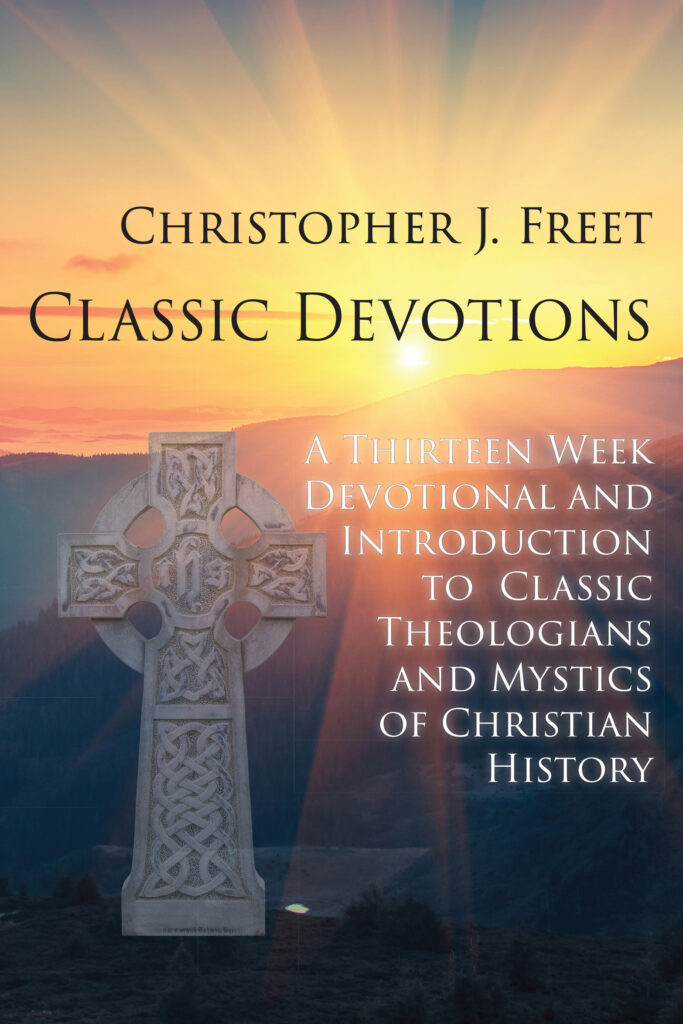
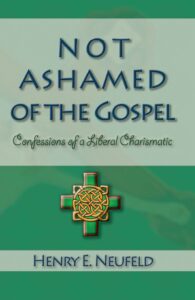
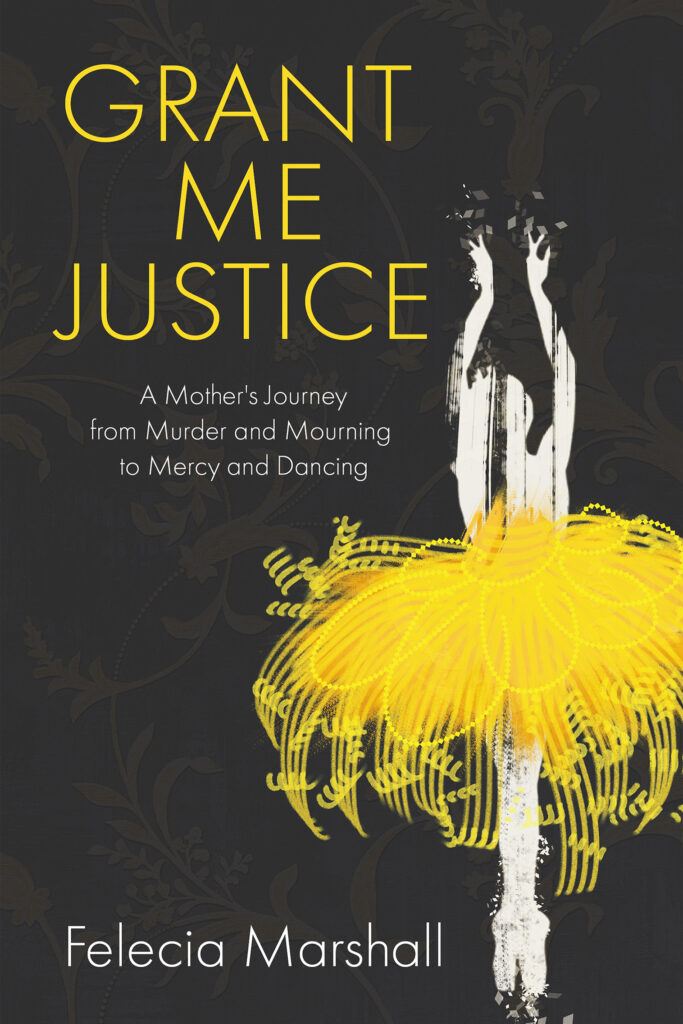
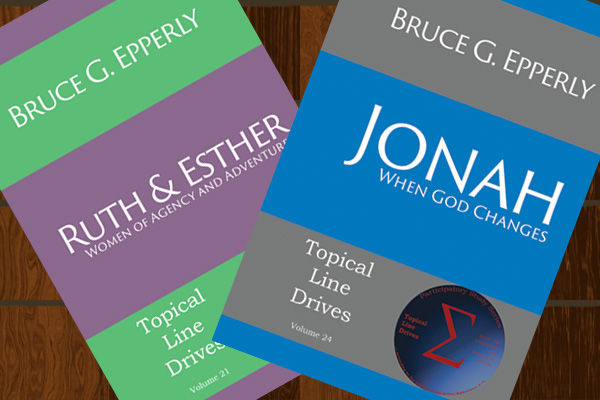
    Books of Testimony from Energion Publications

  • Thoughts on Releasing a New Book about Jonah

    Thoughts on Releasing a New Book about Jonah

    esther and jonahI believe that it’s easy to let our theology keep us from reading the Bible, especially the narrative parts. The Bible is filled with stories. One example is the story of the flood. When Genesis 6 says (using the KJV), “It repenteth me that I have made man,” the first reaction is to try to explain how God didn’t really repent, thus preserving doctrines of omniscience expressed particularly in foreknowledge. A vigorous desire to preserve one’s theology can prevent one from hearing the story as it is actually told.

    Jonah is just such a story. It’s very easy to make this a story about obeying God. The story was explained to me when I was a child as an illustration of the bad things that could happen to you if you went against God’s will. Another lesson, often taught at the same time, is that God can and does work miracles. Many people have seen belief in the whale (really more like “great fish”) as a test of one’s belief in the truth of scripture.

    But to spend our time on the reality of the great fish, whether to disparage the idea or uphold it, is to stray from the story.

    I’ve been delighted to publish a couple of books by Bruce Epperly that deal with Bible stories from a less theologically defensive position. Bruce tends to let the stories speak and as such he gets lessons from them that we might otherwise miss. A few months ago we released Ruth and Esther: Women of Agency and Adventure. I commend that study to you.

    This week we released another book about stories, Jonah: When God Changes. Just the subtitle is likely to unsettle a few people. I think it’s good to be unsettled. I think that Jonah was unsettling when it was first written and it was intended to be.

    We often have to work hard to love and care for people who are actually very similar to us. We tend to discount the command of Jesus to love our enemies. But in Jonah we have a call to love people we now hate—and with good reason!—and to take God’s message to them. While Jonah’s message sounds like a “fire and brimstone” sermon, it becomes a call to salvation, just as Jonah feared it would (read the last chapter)!

    Bruce really works this little book and calls to our attention things we might normally miss in pursuit of theological comfort. I suggest that you give up that comfort and read the book!


    We’ll have it for $4.19 pre-order pricing (even though it’s already printing) on Energion Direct. We’ll keep that up through Labor Day. Find a couple of other books to go with it so your order is at least $9.99 and you’ll get free shipping.

  • Book Review: Learning God’s Story of Grace

    A great deal of the Bible comes to us in the form of stories, and even the parts filled with propositions have their background in the story of God’s action in history. I believe this is central to the way we should read and apply scripture, and thus I am delighted to have the opportunity to review the book Learning God’s Story of Grace by Elizabeth Reynolds Turnage.

    But first, disclosures. Elizabeth took both Greek and Hebrew from me, and the publisher provided me with a free review copy of the book. I want to thank both author and publisher for this opportunity.

    Including front and back matter, this book is just 128 pages. It’s spiral bound, which is helpful in a book which is likely to be used as a workbook. It is divided into seven lessons plus an epilogue. Each lesson (except for one) is divided into activities for five days. I might have preferred a few more notes on working as a group, which is clearly the place to use this material. Nonetheless, readers should have no problem either leading or participating in a small group using this study.

    The approach begins with engaging a passage of scripture (you can find the details on page 14), and ends with living and then praying the story, thus making it part of your life. From my own experience with small groups, this latter part will be the most challenging as people often shy away from directly moving to action and prayer from what they learn in scripture. Combining both living and praying drives the student to truly make the scripture story part of his or her own life.

    The first lesson uses Psalm 78. I must admit that using that Psalm gives any work on Bible study bonus points. Following that Elizabeth takes on the creation story, but not in the way you might expect. She bypasses all the debates we may have about technical details and brings the story right into our lives. This theme runs through the rest of the book, tying creation with the new creation. I’m reading two manuscripts on creation for my own company, both to be released next year, and each of those authors emphasizes that for a doctrine of creation to be truly Christian it must be Christ-centered, and join creation and new creation.

    At the same time as she leads students through an approach to Bible study, Elizabeth also leads them through the overarching story of scripture, the story that contains all the rest of our stories.

    I believe that any Bible student, Sunday School class, or small group would benefit from this study. Much of it is extremely simple in its intellectual content, and rightly so, but at the same time it is very challenging as a spiritual discipline. It is so easy to become very educated on complex details of theology without making it part of one’s own life. This book provides an antidote to that problem.

    I enthusiastically recommend this little book to those who want to let God’s Word change their lives.