
I was sitting in the pastor’s study at his invitation. He had a question for me. “Is mowing the lawn really considered one of the pastor’s duties here?”
I had to think about that, and then I realized the problem. The previous pastor liked to ride the tractor and do the mowing. It was relaxing and meditating time for him. But there were others in the church who were quite ready to do that job. I was able to point out precisely who to contact. A few days later I was pleased to see a church member, one who also enjoyed that sort of work, mowing the grass.
That may seem like an extreme case, but it’s also one that had a prompt, happy ending. Over more than two decades in the publishing and public speaking business, I’ve had the privilege of visiting many dozens of local congregations across nearly every denomination you can name. I love the local church, and I have immense respect for the men and women who step up to lead.
But over those years, I’ve developed a quiet, heavy burden for the pastors I meet.
So many of them are completely drained. Congregations quietly expect their pastor to be a spiritual giant, a captivating preacher, an expert counselor, a financial expert, a human resources manager, and a tech-savvy administrator—all while keeping up a flawless family life and an uninterrupted smile. (And let’s be honest, most of us would crumble trying to do just two or three of those jobs at once!)
When visiting a church as a guest speaker, I got into a habit of pulling a few members aside and asking a simple, quiet question:
“What is the mission of your church?”
Almost without fail, the answer was a blank stare or a vague guess. Very few had any clear idea.
These congregations didn’t have bad pastors. They had overworked, overwhelmed pastors. The truth is, the most ungodly thing in many of our churches is the pastor’s job description.
I don’t mean the official one written on paper by a staff-parish relations committee (or whatever group handles that in your church). I mean the unspoken, heavy stack of expectations stored in the minds of the congregation. We expect our pastors to carry the entire weight of the church on their own shoulders, and then we wonder why so many burn out and walk away from ministry after just a few years.
Simply preaching a sermon telling the congregation to “get focused” won’t fix this. What pastors and congregations actually need is an operational model that is spiritually grounded, scripturally sound, and practically workable.
An Unexpected Blueprint
That is why I want to share a new book that gets right to the heart of this problem.
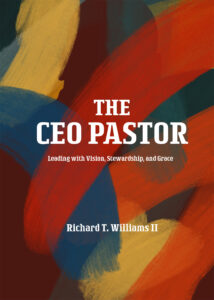
As many of you know, my company, Energion Publications, is providing publishing services for a new imprint, New Fire Press, and they have released a title called The CEO Pastor: Leading with Vision, Stewardship, and Grace by Pastor Richard T. Williams II.
While Energion is not the primary publisher of this book, I want to give it my genuine, wholehearted backing. Having edited and published dozens of ministry handbooks over the years, I can tell you that this one stands out for its practical wisdom and deep respect for the pastoral calling.
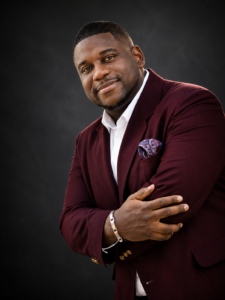
Pastor Williams serves as the Lead Pastor of Metropolitan United Methodist Church in Montgomery, Alabama, and is the Founder and Executive Director of The Beacon Center. He isn’t writing from a quiet academic office; he’s writing from the active, messy, and beautiful front lines of community ministry.
He addresses the exact tension that paralyzes so many church leaders: the constant tug-of-war between shepherding people and managing an organization.
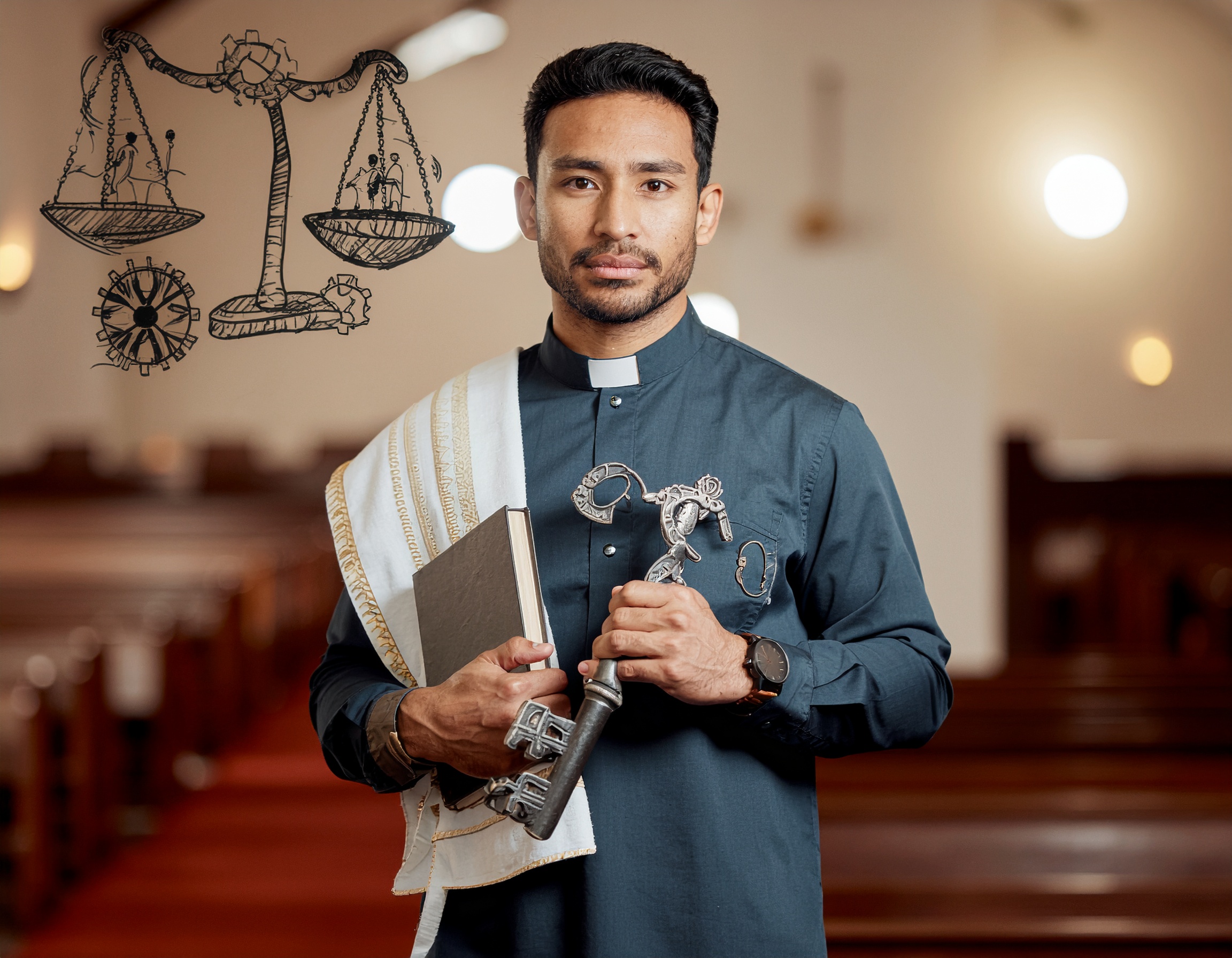
Reclaiming the corporate acronym, he introduces the Chief Executive Overseer—a leader who faithfully holds the shepherd’s staff of care in one hand and the steward’s keys of administration in the other. In God’s kingdom, good structure and vibrant spiritual life aren’t enemies; they are partners. Stewardship, when done with order and integrity, is a genuine form of worship.
A Practical, Hands-On Guide
Rather than offering lofty theories, Pastor Williams provides real-world frameworks, clear checklists, and honest case studies to help church leaders:
- Cast Vision with Clarity: Moving beyond vague slogans so the congregation actually understands its mission and knows where it’s going.
- Empower Lay Leaders: Drawing on the biblical wisdom of Exodus 18 (Jethro’s advice to Moses) and Acts 6 (deacons handling administration so apostles could focus on prayer), shifting the church away from unhealthy dependency toward a shared priesthood of all believers.
- Operate with Integrity: Setting up transparent financial structures and healthy accountability that protect both the pastor and the church.
Yes, as a publishing service provider, part of my job is helping market books. But my primary, lifelong calling is equipping people for ministry and building the Kingdom of God. I warmly support this book because I believe it offers a realistic path to rescue weary pastors from burnout and help local churches find their calling again.
Whether you are a solo pastor running on empty, a denominational leader looking to support clergy, or a faithful layperson serving on a church committee, I encourage you to read this book—and more importantly, put its principles to work in your congregation.
Let’s change those ungodly job descriptions in our churches, and start holding both the shepherd’s staff and the steward’s keys together.