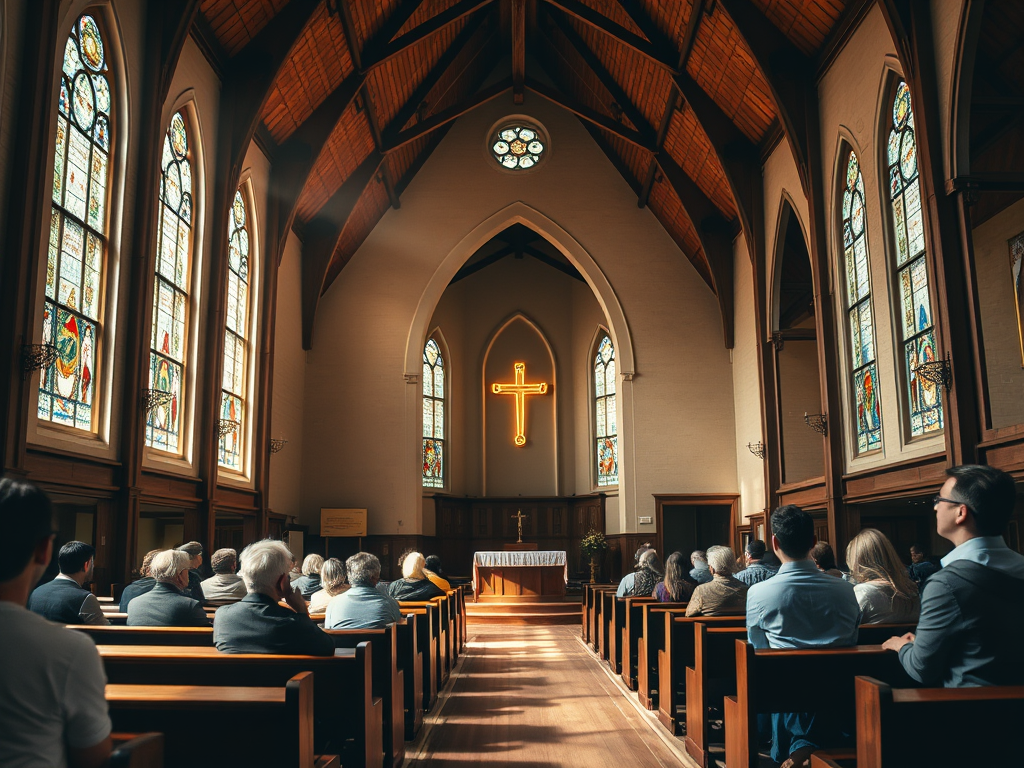
Dave Black warns us today against the cult of the speaker. (With permission I’ve extracted the relevant portion as a post at JesusParadigm.com since Dave’s blog doesn’t allow linking to a specific post.)
Considering what we’ve heard recently about megachurches creating satellite campuses that receive the message from the senior pastor on the main campus via video. It’s not my intent here to point to any particular speaker as an example of being a celebrity preacher or of participating the cult of the speaker. Those of us without the temptation of multi-site ministry or television opportunities can be just as much tempted to pride, arrogance, or any of the myriad of other temptations that come with celebrity.
Dave’s post brought to my mind a concern I’ve had with many churches. I was a member of one church that had somewhere in the neighborhood of 10% of the average Sunday attendance in the lay speaker program. That’s a wonderful thing. But how often did any of these lay speakers speak? Not very frequently.
Now as we were constantly reminded in lay speaking classes, preaching on Sunday is not the only place in which we could serve. But in the same way I would remind pastors that preaching on Sunday is not the only way they can serve their congregations.
This was brought forcefully to mind a few years back when I invited a pastor to speak at a conference. He eventually had to back out because an emergency came up that kept him out of his pulpit for one week. He told me that he had a covenant with the congregation to be in the pulpit 50 out of 52 Sundays.
While I commend that pastor for being faithful to his word and for putting his beliefs into practice, I don’t think having “the pastor” or “the senior pastor” speak every Sunday is necessarily a good thing. It’s possible that other people in the congregation have something valid to contribute as well. But much more importantly, if we don’t learn to speak about the gospel in church, where will we learn?
If we want lay speakers (speaking “Methodist”) to learn how to speak, where could it be better to do this than at their home congregation? I know there are concerns about the quality of the preaching and the theological/doctrinal accuracy of the message. But one of the things a pastor could do would be to spend the time he or she might spend in sermon preparation helping a lay speaker prepare a sermon.
Then what about the substantial number of members of any church who are neither called nor equipped to present a sermon? There are many varieties of sharing, including testimonies. We have this kind of thing in the church from time to time, but why is it so rare?
I recall testimonies about the ministries of the church given over a period of four weeks. These were excellent. They gave me a better idea of what certain church ministries were accomplishing. It was great to hear from the people involved.
Recently we had a youth Sunday. We have one of those a year. Why is it just once a year? The young man who brought the message did an excellent job. I could stand to hear him more often.
We have many members who feel very inadequate to talk about their faith. Does not the example set by the Sunday service suggest that it requires a trained professional to present the Christian message? Does that example not encourage people to think that what they need to refer their friends and acquaintances to the pastor if they are to have a conversation about faith?
At my home church (First UMC, Pensacola), we are blessed with an excellent pastoral staff. I very much appreciate their ministry in preaching. But I wonder just how much that ministry might be expanded if more time were spent training members of the congregation to share in everything from a one minute testimony to a full sermon.
We often wonder why people tend to become pew sitters rather than becoming active. But isn’t the example of Sunday morning a suggestion that this is precisely the proper role for the “ordinary” church member? I think it’s worth considering.